Ship Car from Pennsylvania to Nebraska
Shipping your vehicle from Pennsylvania to Nebraska spans approximately 1,280 miles along the I-80 corridor, with a typical transit time of four to six days. Whether you are relocating for work, purchasing a vehicle from an out-of-state seller, or managing a move for a family member, we provide the logistics support to get your car there safely. This guide covers everything you need to know, including current market pricing, the booking process, how to prepare your vehicle for transport, and answers to common questions about moving your car across the country.
- No-obligation quote within 2 minutes
- Price all-inclusive
- No charge until driver confirmed
- Distance
- 1,280 mi
- Transit time
- 4–6 days
- Open carrier from
- $1,450
How much does it cost to ship a car from Pennsylvania to Nebraska?
For this 1,280-mile route, open transport typically costs between $1,450 and $1,925, while enclosed shipping ranges from $2,750 to $3,675, with transit usually taking four to six days. As a referral service, Ship Car Pros connects you with independent carriers from our vetted network, ensuring your vehicle is matched with a driver who specializes in the I-80 corridor. The final price you pay depends on several variables, including the time of year, your vehicle’s size, and your desired pickup window. There are six specific factors that determine where your final price lands within these ranges, such as route demand and vehicle operability. We will explore how these elements influence your quote in the sections below to help you plan your budget effectively.
What factors affect car shipping cost?
Your final quote is determined by how these specific variables align with current carrier availability along the I-80 route:
- Vehicle dimensions and weight: Larger trucks and SUVs occupy more trailer space and increase fuel consumption.
- Transport type: Selecting enclosed shipping protects your vehicle from road elements but requires a higher premium than standard open transport.
- Pickup and delivery flexibility: A wider scheduling window allows carriers to integrate your load into existing routes more efficiently.
- Seasonal demand: High-traffic periods, such as summer moving months, often drive up competition for limited carrier space.
- Route accessibility: Metro pickups are typically more cost-effective than remote, rural locations that pull drivers away from major highways.
- Vehicle operability: Non-running vehicles require specialized winching equipment and extra labor to secure on the trailer.
We evaluate these factors for every request to ensure your quote reflects accurate, current market conditions.
Open vs. enclosed car transport: which should you choose?
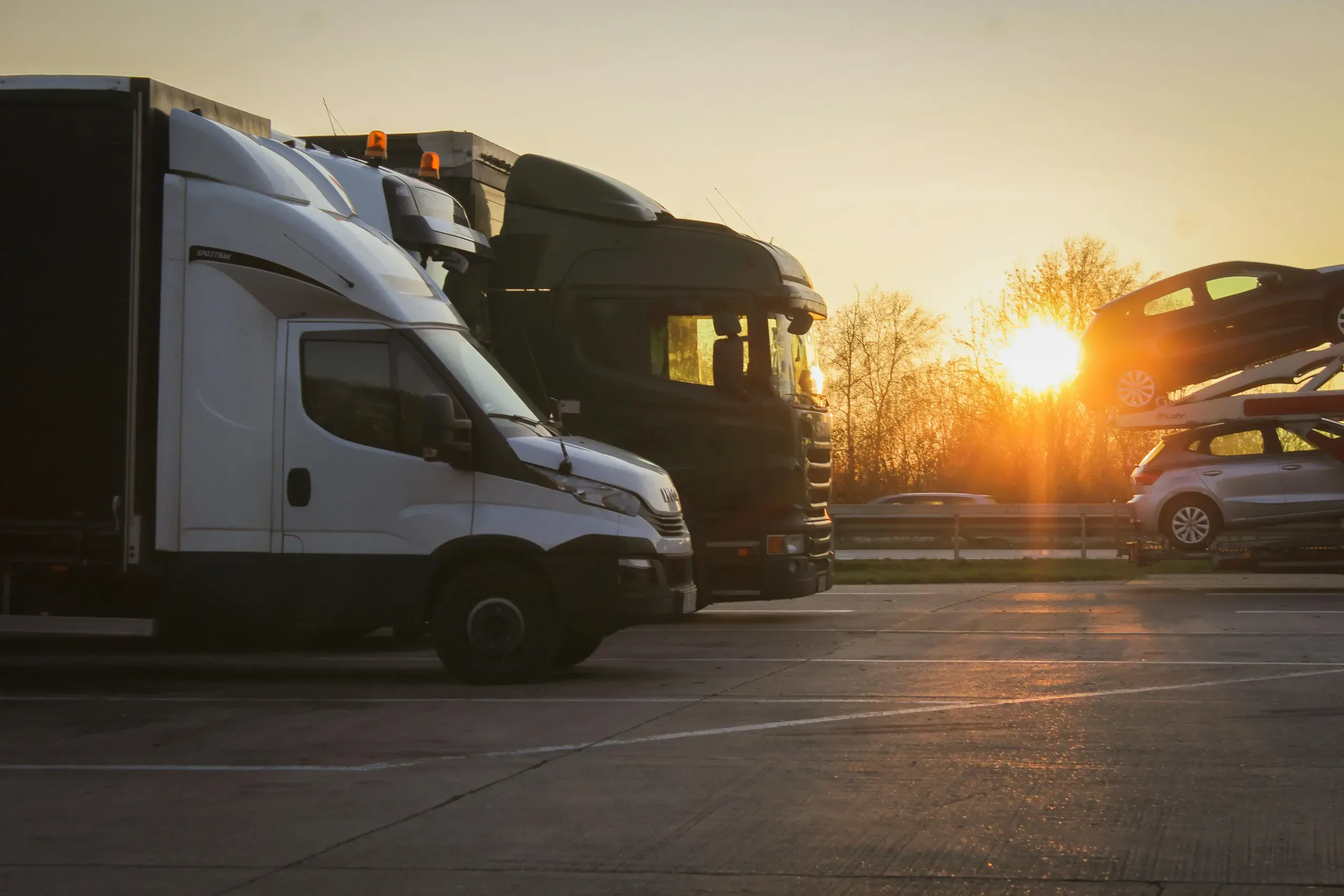
Choosing between open and enclosed transport comes down to your vehicle’s value and your specific needs. Most people choose open transport. It is the industry standard for daily drivers, trucks, and SUVs, functioning exactly like the trailers you see delivering new cars to local dealerships. With a typical cost around $1,600, it is safe, fully insured, and efficient for the 1,280-mile trek across the Midwest.
Enclosed transport is an upgrade meant for specific situations. If you are shipping a high-value exotic, a vintage classic, or a custom build with low ground clearance, the extra protection is worth the investment. An enclosed trailer keeps your vehicle shielded from road debris, salt, and weather throughout the journey. Because these trailers are specialized and scarcer, they typically run around $3,059. If your vehicle is a standard daily driver, open transport provides the best balance of cost and reliability.
- Open carrier
- $1,450–$1,925
- Standard 7–10 car hauler.
- Enclosed carrier
- $2,750–$3,675
- Sealed trailer for high-value vehicles.
How long does it take to ship a car from Pennsylvania to Nebraska?
Shipping your vehicle 1,280 miles from Pennsylvania to Nebraska typically takes between four and six days once the driver is underway. You can expect a steady pace, as carriers generally cover about 400 to 500 miles daily while balancing mandatory rest periods, fuel stops, and traffic conditions. While the non-stop driving time is roughly 19 hours, the reality of managing a heavy truck across the I-80 corridor means the transit schedule is dictated by these safety-focused logistical rhythms. Beyond this standard transit window, you will also want to consider how your specific pickup and delivery locations, along with potential seasonal weather, might influence the final arrival of your vehicle.
Which routes do carriers usually take?
Carriers moving vehicles from Pennsylvania to Nebraska almost exclusively rely on the I-80 W corridor. This direct route is the backbone of cross-country freight, offering a clear path through the Midwest. Drivers typically depart from major Pennsylvania hubs like Philadelphia or Pittsburgh, navigating mountain passes before settling into the flatter, consistent terrain of the Great Plains. While urban congestion in the Philadelphia or Omaha metro areas can briefly slow initial pickup or final delivery, the middle stretch of the journey across the Ohio Valley and the Mississippi River is highly efficient. This interstate-focused path ensures your vehicle stays on a single trailer, avoiding unnecessary transfers between trucks.
What can delay your shipment?
Transit delays on the I-80 corridor are usually driven by predictable environmental and logistical factors. Winter is the most significant variable; heavy snow squalls in the Pennsylvania mountains and blizzard conditions across the Nebraska plains can force temporary highway closures, particularly for high-profile trailers sensitive to wind. Additionally, scheduling can shift if your pickup involves an auction facility, as missing gate pins or buyer numbers create immediate bottlenecks. Weekend pickups are also less reliable, as carrier activity slows significantly on Saturdays and Sundays. While we prioritize efficient routing, these external factors occasionally extend transit times beyond the standard window, requiring flexibility to ensure your vehicle arrives safely.
Popular Routes
Major city-to-city routes on the Pennsylvania → Nebraska corridor.
| From | To | Approx. distance | Transit |
|---|---|---|---|
| Philadelphia, PA | Omaha, NE | ~1,100 mi | 4-6 days |
| Pittsburgh, PA | Lincoln, NE | ~870 mi | 3-5 days |
| Allentown, PA | Bellevue, NE | ~1,070 mi | 4-6 days |
| Harrisburg, PA | Grand Island, NE | ~1,120 mi | 4-6 days |
| Lancaster, PA | Kearney, NE | ~1,200 mi | 4-6 days |
| Scranton, PA | Fremont, NE | ~1,080 mi | 4-6 days |
| Reading, PA | Norfolk, NE | ~1,120 mi | 4-6 days |
| York, PA | Hastings, NE | ~1,140 mi | 4-6 days |
| Erie, PA | Columbus, NE | ~890 mi | 3-5 days |
| State College, PA | Papillion, NE | ~950 mi | 3-5 days |
How does shipping a car from Pennsylvania to Nebraska work?
Shipping your vehicle from Pennsylvania to Nebraska follows a straightforward three-stage process designed to move your car safely along the I-80 corridor. First, you provide your route and vehicle details to receive an all-inclusive quote. Once you confirm, we coordinate with a carrier from our network to handle the logistics. The process concludes with the driver performing a thorough inspection at pickup, transporting your vehicle across the Midwest, and conducting a final condition check upon arrival in Nebraska. Each stage is managed to ensure your car remains on one trailer for the entire journey.
What happens between booking and pickup?
After you sign your agreement, the behind-the-scenes work to secure your transport begins immediately. We bridge the gap between your needs and the carrier network through these steps:
- Market Posting: We post your shipment details to our internal dispatch network and the national load board to attract available carriers traveling along the I-80 corridor.
- Carrier Assignment: A qualified carrier accepts the shipment, and we finalize their dispatch to your pickup location.
- Notification: You receive the carrier’s details, including the driver’s name and contact information, along with an estimated arrival window.
- Window Confirmation: The driver contacts you directly to narrow down the pickup window and confirm specific access requirements for your addresses.
- Initial Inspection: Upon arrival, the driver walks the vehicle with you, noting its condition on the bill of lading so both parties have a clear, documented record before the car leaves your possession.
What is a bill of lading (BOL)?
The bill of lading (BOL) is both a contract for transport and a critical condition report for your vehicle. At pickup, the driver performs a roughly 21-point visual inspection, noting any existing scratches, dents, or paint chips on the document. You will review and sign this report before the car is loaded. When the driver arrives at your destination, they will repeat this inspection. You must examine your vehicle thoroughly in good light, comparing the current condition against the original notes. Signing the BOL at delivery confirms the vehicle arrived in the expected state, so take your time before finalizing the paperwork.
After delivery: registration and inspection in Nebraska
Once your vehicle arrives in Nebraska, you must register it within 30 days of establishing residency or bringing the car into the state. This process must be completed in-person at your local County Treasurer’s office. You will need to bring your current out-of-state title, proof of valid insurance, your most recent registration certificate, and a completed Nebraska Vehicle Inspection Form (NSP455). This mandatory VIN inspection, which verifies your vehicle's identification against your title, is conducted by the County Sheriff for a $10 fee. Be aware that while base registration is straightforward, local jurisdictions may charge additional wheel taxes, such as the $50 fee in Douglas County. For the most current forms and county-specific office locations, visit the Nebraska DMV website.
Before you finalize your new registration, remember that your Pennsylvania obligations are not yet complete. You must maintain your Pennsylvania liability insurance until your PA license plates are officially surrendered to the Bureau of Motor Vehicles in Harrisburg, as canceling coverage early can trigger mandatory registration and license suspensions.
How do you verify a car transport company is legitimate?
Verifying the legitimacy of your auto transport provider is the most effective way to protect your vehicle and your peace of mind. Every legal carrier or broker operating in the United States must hold active authority from the Federal Motor Carrier Safety Administration (FMCSA). You can confirm their status by searching their MC (Motor Carrier) or USDOT number on the official FMCSA Licensing & Insurance public database. This tool shows you whether their operating authority is active and if they maintain the required cargo and liability insurance.
Beyond federal registration, pay close attention to the payment structure. A legitimate service will never ask you to pay the full amount upfront. Instead, you should only pay a deposit once a carrier is officially assigned to your vehicle, with the remaining balance due only upon delivery. If a company demands full payment before a driver is confirmed, treat it as a significant red flag.
Finally, rely on consistent, independent feedback rather than just what is on a company’s own website. Check third-party platforms like the Better Business Bureau or Transport Reviews to see how other customers describe their actual experiences. Always ensure you receive a written, signed agreement that details all terms before your vehicle is picked up. A transparent company will provide these documents willingly.
How do I prepare my car for shipping?
Preparing your car for transit helps ensure the inspection process goes smoothly and protects your vehicle throughout the journey. A little effort on your part makes the carrier's job easier and provides you with peace of mind. Follow these steps before the driver arrives:
- Wash the exterior: Cleaning your car allows you and the driver to accurately document existing scratches or dents on the bill of lading.
- Photograph the vehicle: Take clear, dated pictures from every angle, including the roof and undercarriage, to create a current record of its condition.
- Remove personal items: Clear out all loose belongings, including toll tags, parking passes, and garage door openers, to comply with insurance terms and reduce weight.
- Limit fuel levels: Keep your gas tank at about a quarter full to minimize weight and reduce safety risks during transit.
- Disable security systems: Turn off all alarms and share any specific quirks, such as battery disconnects or mechanical issues, with the driver.
Following these simple tasks ensures your vehicle is ready for the road and properly documented for its trip to Nebraska.
Specialty shipments from Pennsylvania to Nebraska
Specialized shipments often require additional planning to ensure your vehicle arrives safely and meets all regulatory requirements. Whether you are dealing with unique logistical hurdles or specific loading needs, we coordinate with carriers equipped to handle these specialized scenarios. We maintain clear protocols for managing auction-purchased vehicles, navigating the complexities of inoperable cars that require winching, and bundling multiple vehicles into a single shipment for more efficient, cost-effective transport between Pennsylvania and Nebraska.
How do you ship a car bought at Copart or IAA auction?
Shipping an auction-purchased vehicle from facilities like Copart or IAA requires extra coordination compared to residential pickups. Because these facilities operate on strict appointment schedules and security protocols, you must provide your assigned carrier with three essential pieces of information: the vehicle’s specific lot number, your unique buyer number, and the gate pin provided by the auction house. Without these three details, the driver will be turned away at the gate.
Additionally, ensure your payment to the auction house is fully cleared and processed before the carrier arrives. Because auction facilities require drivers to navigate specific loading bays and verification procedures, auction pickups often take one to three days longer to arrange than standard door-to-door moves. Providing these details upfront prevents delays and ensures your carrier can secure the necessary appointment to pull your vehicle from the lot without complication.
How do you ship an inoperable car?
Shipping an inoperable vehicle requires more than just a standard trailer. Because the car cannot drive onto the truck under its own power, the carrier must use a winch to pull it up the ramp. For this to work, your vehicle must still roll, steer, and brake. If the wheels are locked or the steering is seized, the vehicle cannot be safely loaded. This process demands specialized equipment and extra time, which adds to the standard shipping rate. Be sure to disclose the vehicle's condition when you request a quote so we can match you with a carrier equipped for the job.
How do you ship multiple cars at once?
Shipping multiple vehicles at once is an efficient way to manage a household relocation, fleet move, or family transfer between Pennsylvania and Nebraska. When you bundle shipments, you often benefit from a lower per-vehicle rate compared to shipping each car independently. Because carriers aim to maximize their trailer capacity, having multiple vehicles ready at the same pickup location is highly attractive to drivers. We typically coordinate these moves to keep all your vehicles on the same trailer, ensuring they travel the I-80 corridor together. This approach simplifies your logistics, ensures consistent transit timelines for your entire inventory, and reduces the administrative effort of managing separate pickup and delivery schedules.
Is it cheaper to ship a car or drive it from Pennsylvania to Nebraska?
Deciding between shipping your car and driving it yourself comes down to comparing the direct financial cost against the time and effort involved. For the 1,280-mile trip from Pennsylvania to Nebraska, the differences are clear.
Shipping your vehicle via open transport typically costs around $1,600. This is an all-inclusive price that covers the driver, fuel, tolls, and insurance, allowing you to fly or travel separately while your car is handled by a professional.
If you choose to drive, your expenses include fuel, wear and tear, and travel logistics. Based on current AAA data, accounting for approximately $896 in per-mile costs for a 1,280-mile trip plus an estimated $120 for an overnight stay, the total drive cost is roughly $1,016.
While driving appears less expensive on paper, it is important to consider the qualitative factors that come with a 19-hour and 20-minute journey. Driving requires nearly two full days on the road, which involves significant fatigue, the potential for time off work, and the logistical burden of managing a cross-country trek alone or with passengers. Shipping removes the stress of navigating the I-80 corridor and preserves the resale value of your vehicle by keeping the mileage off your odometer. Your choice depends on whether you prefer the personal control of the road or the convenience of professional transport.
| Ship it | Drive it | |
|---|---|---|
| Total cost | $1,450–$1,925 all-in | ~$1,256 (fuel + lodging + meals) |
| Your time | 0 hours | ~21 hrs driving + overnight |
| Wear & tear | None | 1,280 mi added; ~$0.10/mi depreciation |
| Risk | Insured in transit | Personal liability + fatigue |
For most Pennsylvania → Nebraska shipments, ship is the better value once time and depreciation are counted.
Frequently asked questions
How much does it cost to ship a car from Pennsylvania to Nebraska?
Open transport for this 1,280-mile route typically costs between $1,450 and $1,925, while enclosed shipping usually ranges from $2,750 to $3,675. These costs are all-inclusive, covering fuel, tolls, and driver fees. Your final price depends on factors such as vehicle size, current seasonal demand, and how flexible you are with your pickup window. We recommend requesting a specific quote to get an accurate number based on your vehicle's make and model.
How long is the transit time for a vehicle going from Pennsylvania to Nebraska?
The transit time for shipping a vehicle from Pennsylvania to Nebraska is typically four to six days. While the drive itself would take about 19 hours and 20 minutes of non-stop travel, carriers are limited by federal regulations and logistical requirements that dictate daily mileage. Factors such as winter weather on the I-80 corridor, traffic congestion in metro areas, or potential delays at auction facilities can occasionally influence these estimates, but four to six days is the standard expectation.
Is open transport safe for the 1,280-mile trip to Nebraska?
Yes, open transport is a safe, reliable, and industry-standard method for shipping vehicles. It is the same type of trailer used to transport brand-new cars from factories to dealerships. Roughly 85% of all vehicles are shipped via open trailer because it is fully insured and efficient. Unless you are shipping a high-value exotic, a vintage classic, or a vehicle worth over $75,000, open transport provides the most effective balance of cost and protection for your cross-country move.
When do I pay for the transport service?
Payment for auto transport is split into two parts: a deposit and a final balance. Once a carrier is officially assigned to your vehicle, you pay a deposit to secure the booking. The remaining balance is paid directly to the driver upon delivery at your destination. This payment is typically made via cash, certified check, money order, Zelle, or Venmo. You should never pay the full amount upfront before a carrier has been confirmed for your shipment.
What kind of insurance covers my vehicle during shipment?
Every carrier moving vehicles on U.S. roads is required to carry cargo insurance that covers your vehicle while it is in transit. This policy provides bumper-to-bumper protection with a zero-deductible requirement for the owner. Coverage amounts typically range from $50,000 to $250,000 per vehicle on open trailers and can reach up to $1,000,000 for enclosed transport. This insurance is included in your all-inclusive quote, ensuring your car is protected throughout the entire journey.
Do I need to be present for pickup in Pennsylvania or delivery in Nebraska?
You do not need to be personally present for the pickup or delivery of your vehicle. If you are unable to be there, you can authorize a family member, friend, or dealership representative to hand over the keys and sign the paperwork on your behalf. We simply need to collect the contact information for your chosen representative at both the origin and destination to ensure the driver can coordinate the handoff smoothly.
Can I pack personal items in my car for the move?
You can typically pack up to 100 pounds of personal belongings inside your vehicle during transport. Anything beyond this weight limit violates carrier insurance terms and could cause issues during transit. It is important to keep these items in the trunk or below the window line. Remember to remove all toll tags, garage door openers, and parking passes, as these items are not covered by the carrier’s insurance and may be lost or stolen during the trip.
What is the Bill of Lading and why is it important?
The Bill of Lading (BOL) is a critical document that serves as both your transport contract and a formal condition report for your vehicle. At pickup, the driver conducts a 21-point inspection to document any existing damage. This same inspection is repeated at delivery. Comparing these two reports is your primary protection, as it provides documented evidence of your vehicle's condition before and after transit, which is necessary if you need to file an insurance claim for any new damage.